Control and Conflict in Cities: Political Economy, Power, and Resistance
Abstract
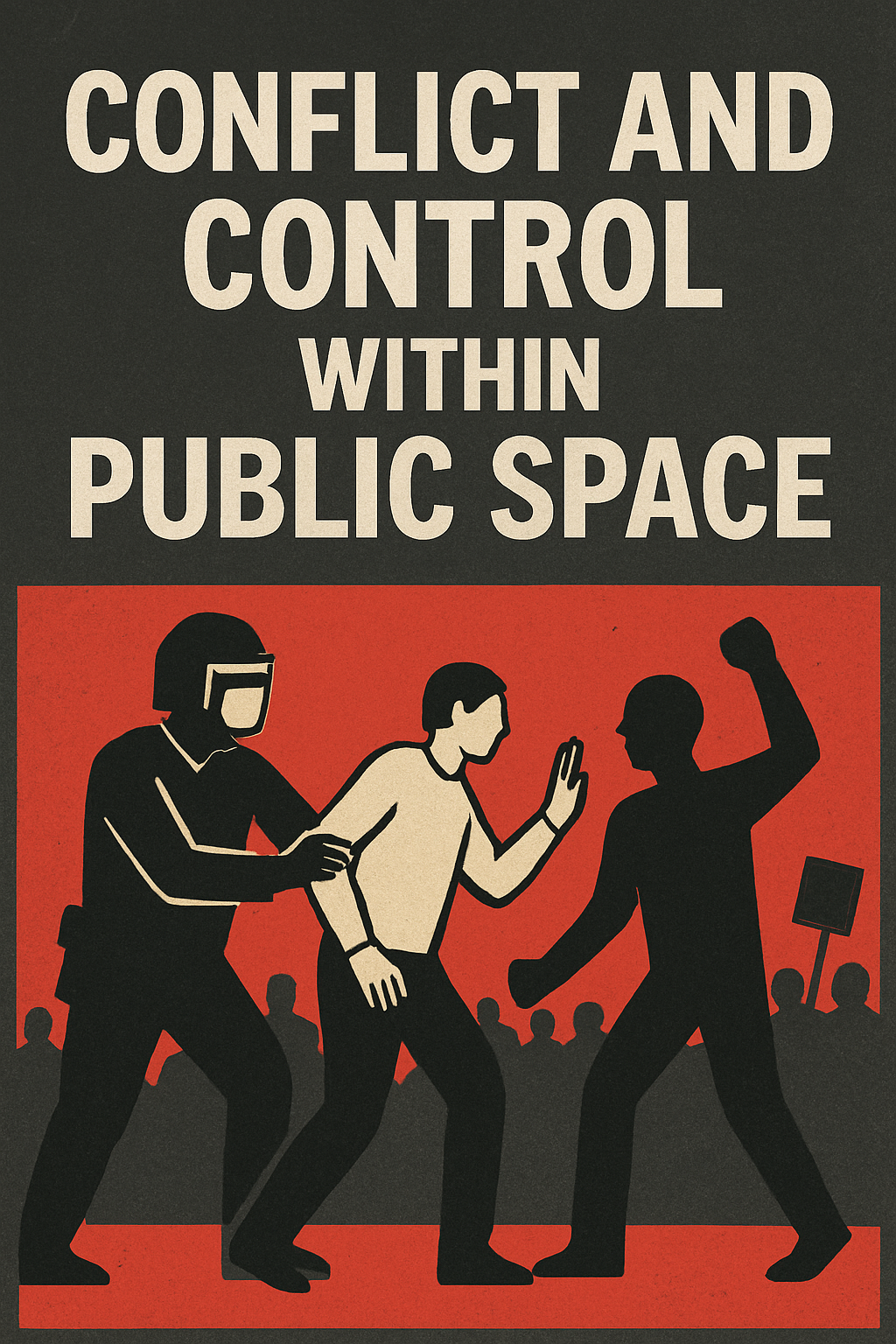
In the summer of 2014, the streets of Ferguson, Missouri, a suburb of St. Louis, erupted in protest following the fatal shooting of Michael Brown, an unarmed Black teenager, by a white police officer. The unrest that followed laid bare the deep fissures of racial tension, economic inequality, and political disenfranchisement simmering beneath the surface of a seemingly ordinary American suburb. This event was not an anomaly but a stark illustration of the fundamental forces that shape urban life: control and conflict. Nancy Kleniewski and Alexander R. Thomas’s Cities, Change, and Conflict: A Political Economy of Urban Life provides a critical lens for understanding such moments, situating them within the broader scholarship of urban political economy. This essay will argue that control and conflict are central, dialectical processes in urban development, continually shaped by political-economic structures, the spatial organization of cities, and the persistent struggles over resources and rights.